New hire provisioned everywhere. Leaver access revoked everywhere.
That's Okta Lifecycle Management (LCM): role-based joiner-mover-leaver automation across every connected app. No checklist. No orphaned accounts. Delivered through ZeroTek on the same month-to-month terms as the rest of the platform.
The checklist nobody follows perfectly every time
Your client's marketing coordinator leaves on a Friday. Your tech gets the ticket, disables the user in AD or M365, and starts down the list: Salesforce, Zoom, HubSpot, Slack, the industry-specific SaaS, the file share, the PM tool. Some connect through Entra. Some don't. Some have local accounts a tech created by hand months ago.
The tech works the list and misses one app. Nobody notices until a compliance audit three months later asks for timestamped proof the access was fully revoked. You can't provide it.
This is the norm for MSPs offboarding without automated lifecycle management. It isn't negligence. Manual deprovisioning across a dozen apps for a dozen clients is inherently error-prone, and the failures stay invisible until an auditor, insurer, or bad actor finds them.

Okta automates your entire checklist
Onboarding: accounts provisioned by role
A new user created in Okta is provisioned across every app they need, often by role. A sales hire gets HubSpot and Apollo. An engineer gets AWS and GitHub. Everyone gets M365. It all runs smoothly on Okta's 800+ pre-built integrations that support LCM.
Role changes: access adjusts automatically
Someone moves from marketing to sales: update their role, and their app assignments follow. Access is revoked from tools they no longer need and provisioned to the ones they now do. The ticket clears in record time.
Offboarding: one deactivation, every app
Deactivate a user in Okta and LCM revokes their access across every connected app. Each step is logged in Okta's system log with timestamps, so you have an auditable record of what was revoked, when, and from which apps.
Multiply the checklist problem by your client count
Manage 30 clients averaging 4 staff departures a year, and that's 120 offboarding events. At 8 to 12 apps each, that's roughly 1,000 to 1,400 deprovisioning actions a year, every one a potential compliance failure if it's missed.
With lifecycle management automated through Okta, your tech deactivates the user once and Okta handles the rest. ZeroTek captures the audit trail. Through ZeroTek's multi-tenant dashboard, this scales across your entire client base.
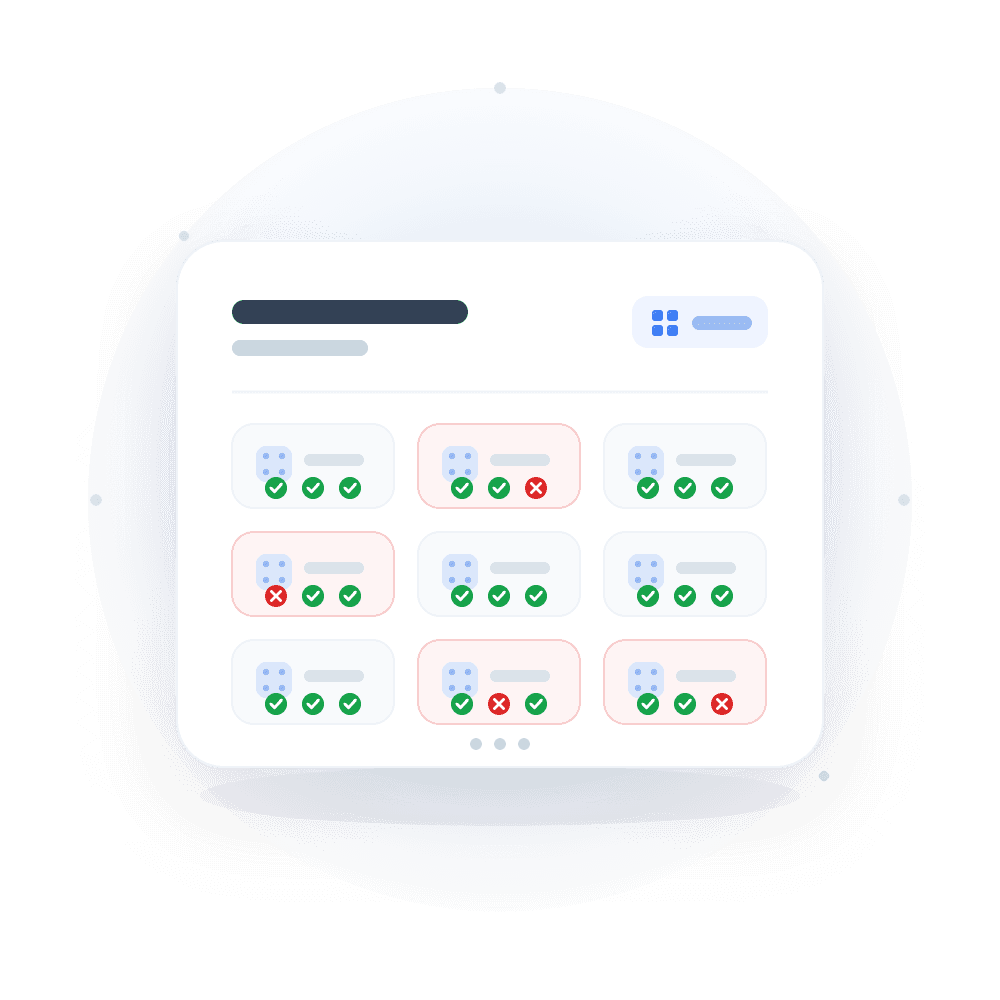
The question auditors always ask about offboarding
"When the marketing coordinator left in February, was her access revoked from every system?" With manual offboarding, answering means reconstructing the story from ticket notes and hoping the tech logged every step. With Okta LCM, the answer is in the logs: user deactivated on this date, access revoked from these apps, with these timestamps.
Offboarding is now a standard line in cyber insurance questionnaires, and frameworks like SOC 2, HIPAA, and CMMC require documented evidence that revocation is consistent and timely. Okta LCM turns offboarding from a process you hope was followed into one you can prove was executed.

Not every app supports full automation
Over 800 apps in the Okta Integration Network support automated provisioning and deprovisioning through SCIM or Okta's purpose-built connectors. For those, lifecycle management is fully automated: create, update, deactivate, all triggered by changes in Okta.
Some apps don't support SCIM or lack an Okta provisioning integration. For those, Okta still enforces SSO, blocking access at the authentication layer the moment a user is deactivated, but it can't deprovision the local account inside the app. Your team handles those manually.
Most mainstream SaaS is fully automated: Salesforce, Zoom, Slack, Google Workspace, AWS, Microsoft 365, and 800+ more. For niche or legacy apps, SSO enforcement provides the security layer even when full automation isn't.

See automated onboarding and offboarding
across real client environments.
Book a demo and we'll walk through lifecycle management configuration, provisioning workflows, and the audit trail it produces.